
Blog / Events
Local Honey for Hayfever?
Local Honey for Hay fever? 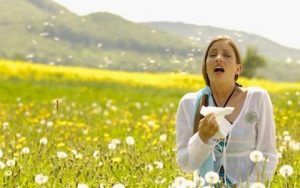
Hay fever season is fast approaching and at this time of year we are regularly asked by our customers; “is it true that if you use local honey, it is good for Hay Fever”? As an apiarist and honey packer who profits from supplying beekeeping produce, you would expect me to say yes of course it does, buy 6 jars and take a good teaspoon full every day (the more the better) from early spring to the end of the summer! Here are some of my opinions and observations about this subject:
We do see an increase of honey sales during the spring and summer months and we are aware of customers who use our honey for the treating of seasonal allergies. It must be effective, as our customers confirm this by returning with their most welcome repeat orders! Although there is no endorsement from a qualified medical point of view that taking honey or pollen really does help, some Doctors do actually recommend trying it as a remedy!
We have supplied honey samples to Northumbria University. Dr M Pound and his team have analysed the pollen count within the samples provided and results show a minimum pollen count of 4000 microscopic grains per gram within our English Soft Set (runny and set versions). Our Spring Blossom honey is similar. This is 1.4 million grains per 340g jar! (Reports available on request). Both of these products have a high variation of different pollens. Our Spring Blossom contains all the early pollen in the air during the beginning of the season including pollen from cherry, pear and apple trees, rapeseed, hawthorn, etc. Our English Soft Set (summer honey) contains many of the different pollen types from flowers found in a typical English country or urban garden. Also wild flowers from hedgerows. Pollen, Enzymes and proteins are naturally present within our raw honey because we do not mix, dilute or pasteurise our produce. (Heat at high temperatures). Nothing added and nothing taken away, just how our bees like it!
How does it work? Customers say they take half a teaspoon daily. Some customers also add our pollen sprinkles to the honey (a 50/50 mix) to make a “hay fever buster”! It is said that taking pollen in small amounts will help to build up your immunity to pollen allergies. Start by taking very small amounts. (Especially Pollen Sprinkles). It is worth knowing that taking too much, too quickly can induce hay fever symptoms!
Local honey for hay fever? It is true that if you buy honey from a local beekeeper it is most likely to be raw. Not to be confused with large supermarket chain honey where there have been reports of high sugar syrup blending and pasteurisation – often labelled “a blend of non EU honey”.
Use honey from your local area? What is important is the use of 100% pure raw unadulterated honey, which is sieved only to remove beekeeping debris. It is not about pollen from your local area. For example, a friend of mine suffers greatly when the oil seed rape blossoms during early spring. The pollen from a rape field in Northumberland is exactly the same as from a field in Kent!
Try raw honey for relieving seasonal allergies. A lower price than a medical prescription, a more natural solution, nothing to lose because it tastes good too!
Interesting reports – Search Engine key words: Melissopalynology of honey from Ponteland by Dr Matthew Pound.
Les
The Honey Store
About Author

admin2
Related posts
Blog / Events
Some Bee Facts!
The Honey Store bees will forage a 3 mile radius of their hives. During mid-summer, an average colony size will consist of 40 to 50,000…

Blog / Events
About The Honey Store
A small family business which began in Ponteland, Northumberland. Les has always had a keen interest in Beekeeping. As a small boy he was taught…
Blog / Events
What is Raw Honey?
Much of the “Commodity Supermarket Honey” in the UK comes in from millions of different bee hives (mainly from non EU sources). Large processors will…

Leave a reply